
Blowers & Aeration
Reliable fertigation starts with a well-prepared fertilizer solution. I-Feeder blowers and air distribution assemblies provide air agitation for mixing tanks, helping water-soluble fertilizers dissolve and disperse evenly before dosing. Rising bubbles create circulation through the liquid, bringing fresh water into contact with fertilizer granules and reducing stagnant areas within the tank.
Better mixing. More consistent dosing.
Effective agitation can shorten preparation time, reduce manual stirring and help produce a uniform stock solution. A properly dissolved, well-mixed batch gives the dosing system a more consistent nutrient concentration to draw from. Reducing undissolved residues also helps limit material collecting in the tank and reaching suction strainers, filters and emitters.
The blower supplies air to a submerged distribution assembly. Air released through outlets across the tank creates movement without a rotating mixing shaft or impeller inside the vessel. This offers a practical option for fertilizer preparation tanks, stock-solution tanks and suitable retrofits where the tank shape and process allow effective air circulation.
Matched to the tank and the fertilizer
Performance depends on tank volume and shape, liquid depth, fertilizer type and concentration, water temperature and the required mixing time. Blower selection must provide the airflow and pressure needed to overcome liquid depth and pipework losses. Distribution layout, material compatibility, ventilation and protection against liquid flowing back towards the blower must also be considered.
Air agitation assists the dissolving process; it does not increase a fertilizer’s solubility limit or make incompatible products safe to combine. Use water-soluble fertilizers within the supplier’s concentration and temperature guidance, follow the specified mixing order and keep incompatible concentrated stocks separate. Confirm that the batch has dissolved before dosing, and assess products prone to foaming before choosing air mixing.
Contact I-Feeder with your tank dimensions, working liquid depth, fertilizer details and available power supply. We can help select a blower and air distribution arrangement suited to your preparation process and fertigation system.
Fertilizer blowers
& aeration.
I-Feeder blowers and air agitation assemblies for well-prepared fertilizer solutions. Keep water moving, help soluble nutrients dissolve and give your dosing system a consistent starting point.
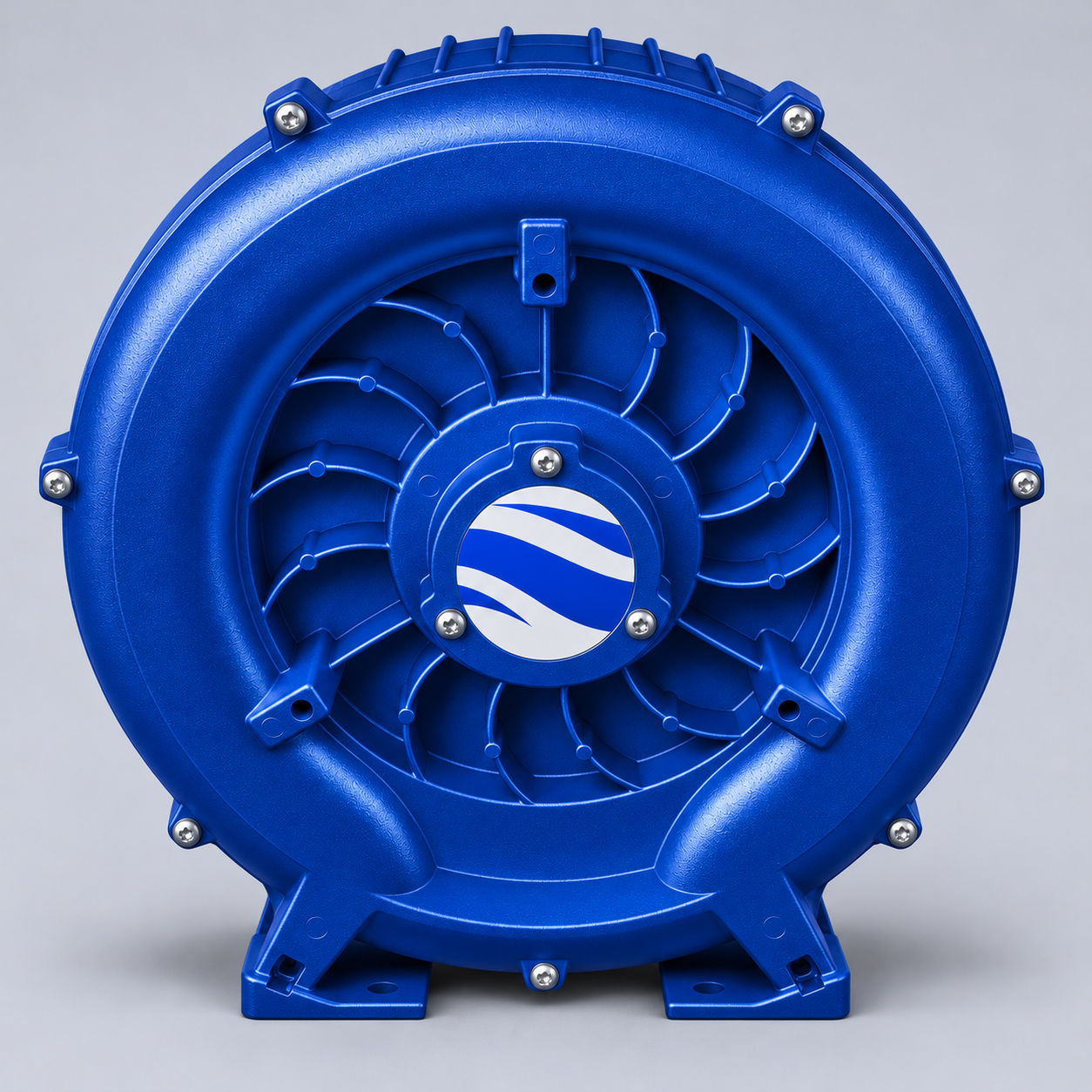
Help fertilizer dissolve
Air-driven circulation brings fresh water into contact with soluble fertilizer granules and helps reduce stagnant areas.
Create a uniform batch
Effective agitation reduces manual stirring and helps distribute dissolved nutrients throughout the stock solution.
Start with consistency
A thoroughly dissolved, well-mixed solution gives your fertigation system a more consistent concentration to draw from.

Put air to work
in your tank.
A blower feeds air to a submerged distribution assembly. As bubbles rise, they move liquid through the tank and help water-soluble fertilizer dissolve and disperse.
Supply the air
The blower provides airflow at the pressure needed for the liquid depth and pipework.
Distribute the movement
Outlets arranged across the tank encourage circulation, without a rotating shaft or impeller inside the vessel.
Prepare for dosing
Follow the fertilizer supplier’s mixing instructions and confirm complete dissolution before drawing solution into the dosing system.
Designed around
the application.
From the air source to the distribution layout, every part should suit the tank and the solution being prepared.
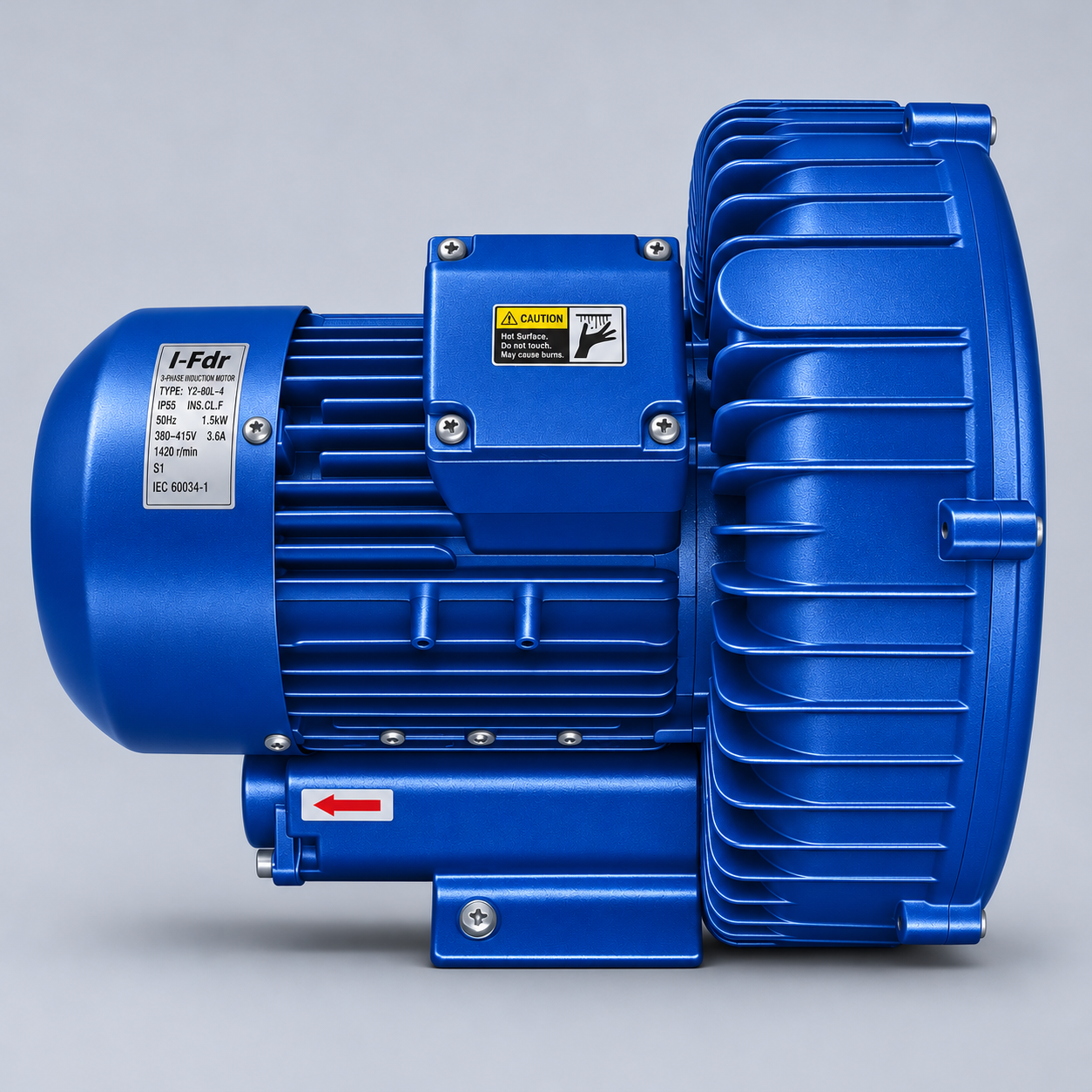
The blower
Airflow and pressure selected for working liquid depth, pipework losses and the required mixing duty.
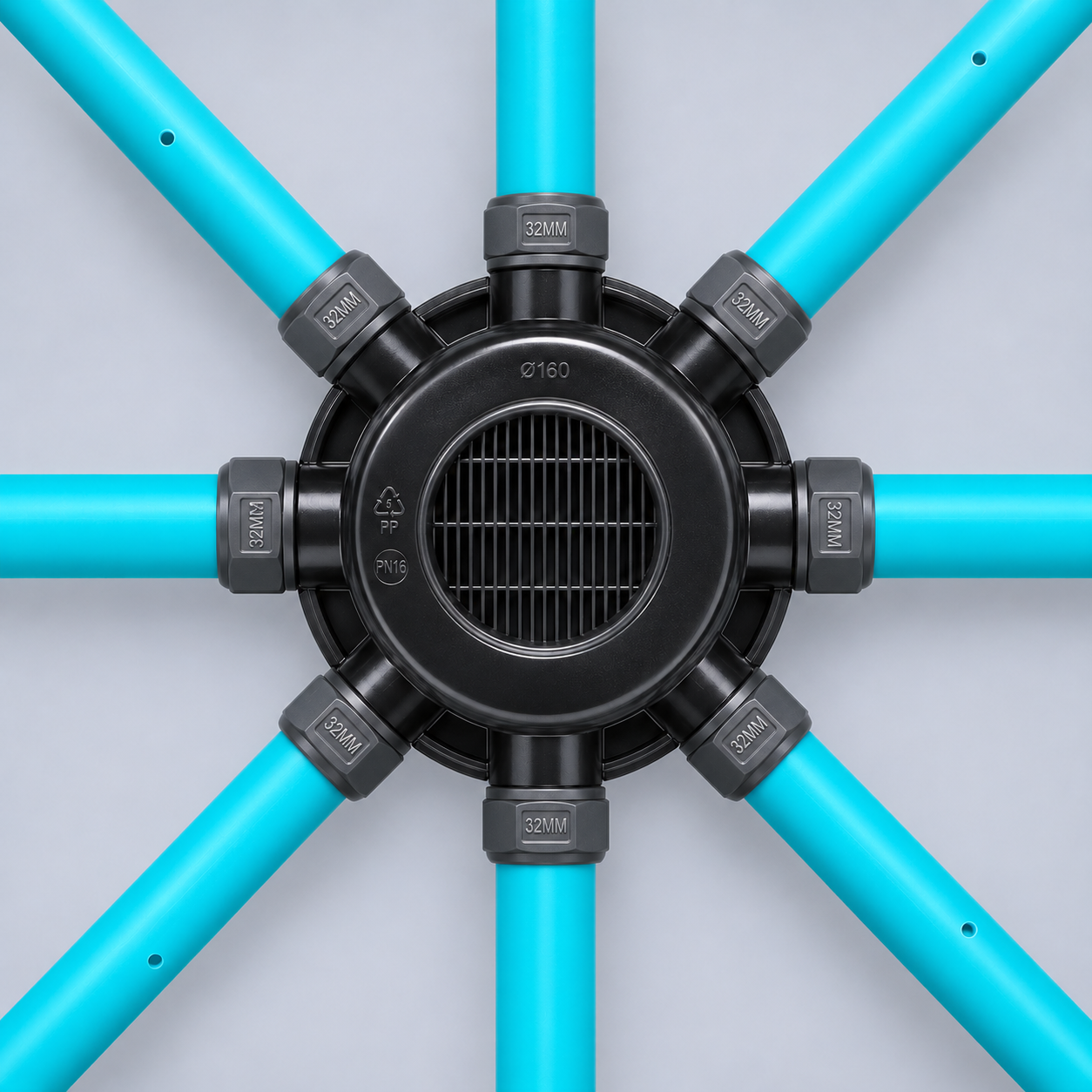
The distribution hub
A central connection brings the air supply into the distribution assembly and its radial arms.
The tank layout
Arm positioning and air outlet arrangement matched to tank geometry for effective circulation.
The right fit.
Not just more air.
Fertilizer preparation tanks, stock-solution tanks and suitable retrofits can benefit from air agitation. The right arrangement depends on the complete process.
Talk to I-Feeder ↗- 01Tank dimensions and working liquid depth
- 02Fertilizer type, concentration and water temperature
- 03Mixing time, airflow and available power
- 04Material compatibility and backflow protection
Good preparation still matters. Air agitation helps the dissolving process; it does not raise a fertilizer’s solubility limit or make incompatible products safe to combine. Follow supplier guidance, keep incompatible concentrated stocks separate and assess foaming before selecting air mixing. Reducing undissolved residues can help limit material collecting in the tank and reaching strainers, filters and emitters.
Fertilizer tank mixing,
explained.
How does a blower help dissolve fertilizer?
Air released through a submerged distribution assembly creates bubbles and liquid circulation. This brings fresh water into contact with water-soluble fertilizer granules and helps distribute dissolved nutrients through the tank.
Does aeration make any fertilizer soluble?
No. Air agitation assists mixing but cannot overcome the fertilizer’s solubility limit or prevent reactions between incompatible concentrated products. Follow the fertilizer supplier’s concentration, temperature and mixing-order guidance.
How do I choose a blower for a fertilizer tank?
Provide tank dimensions, working liquid depth, fertilizer type and concentration, desired preparation time and available power. Blower pressure must cover liquid depth and pipework losses, while airflow and outlet layout must suit the tank.
Should I use air agitation or a mechanical mixer?
The choice depends on tank geometry, liquid depth, formulation, foaming tendency and required mixing duty. Air agitation uses bubbles to circulate the liquid; mechanical mixers use a rotating shaft and blade. I-Feeder can help assess the application.
Equipment. Tools. Support.
Prepare the solution, plan the application and keep the right help close at hand.
I-Feeder Apps ↗
Explore the digital tools that support your I-Feeder workflow.
Explore the appsTechnical & Support ↗
Access the I-Feeder support portal for help with your equipment and application.
Open technical supportLet’s find your setup.
Send us your tank dimensions, working depth, fertilizer details and power supply. We’ll help match the blower and distribution arrangement to your process.
Technical background: Penn State Extension · University of Georgia Extension