
Sugarbeet, Sugarcane & Fertigation: Unlocking Yield, Sugar Recovery and Water Efficiency
Why Fertigation Is Becoming Essential in Sugar Production
Sugarbeet and sugarcane account for nearly 80% of the world’s sugar production. Yet many growers still apply fertilizers using traditional broadcast methods that can lose 30-60% of applied nutrients before they ever reach the crop.
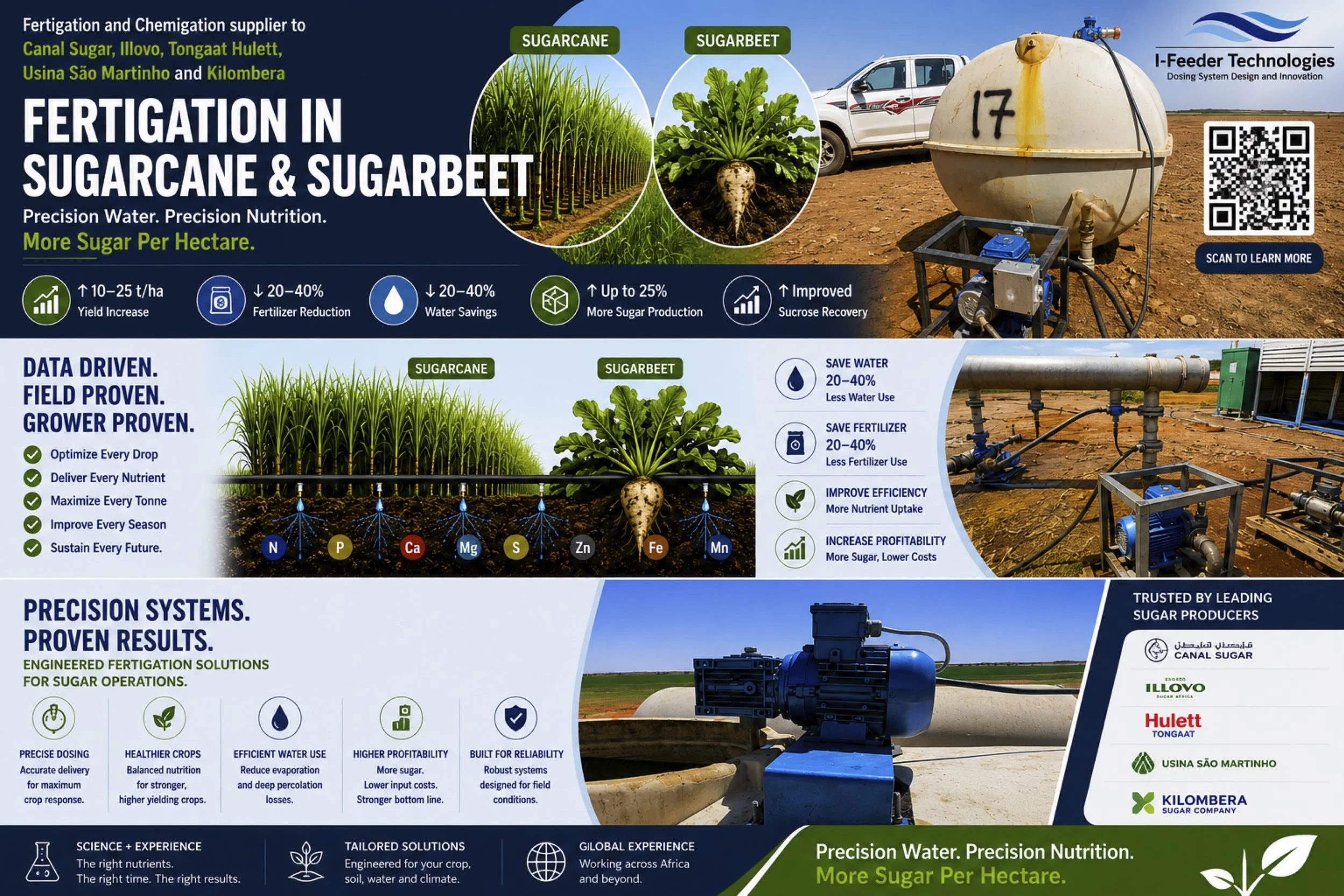
With fertilizer prices remaining volatile and water becoming increasingly scarce, fertigation is rapidly emerging as one of the highest-return technologies available to sugar producers.
The numbers are difficult to ignore.
The Global Sugar Industry by the Numbers
Global sugar production exceeds 180 million tonnes annually
Sugarcane supplies approximately 80% of world sugar
Sugarbeet contributes approximately 20% of world sugar
Sugar crops consume over 25 million hectares worldwide
Nitrogen fertilizer represents up to 35% of total crop nutrition costs
Irrigation can account for 40-60% of total production expenses in arid regions
Every percentage increase in sugar recovery or yield has a direct impact on profitability.
The Fertigation Advantage
Fertigation delivers nutrients directly through the irrigation system, allowing growers to match nutrient supply with crop demand throughout the season.
Compared to conventional fertilizer applications, fertigation offers:
Nutrient Use Efficiency Improvements
Nutrient
Conventional Application
Fertigation
Nitrogen Use Efficiency
40-60%
75-95%
Potassium Use Efficiency
50-70%
80-95%
Phosphorus Availability
Variable
Consistent Root-Zone Placement
Water Efficiency Improvements
Research consistently demonstrates:
20-40% reduction in water use
15-35% reduction in fertilizer consumption
10-30% increase in sugar yield
5-15% increase in sugar concentration
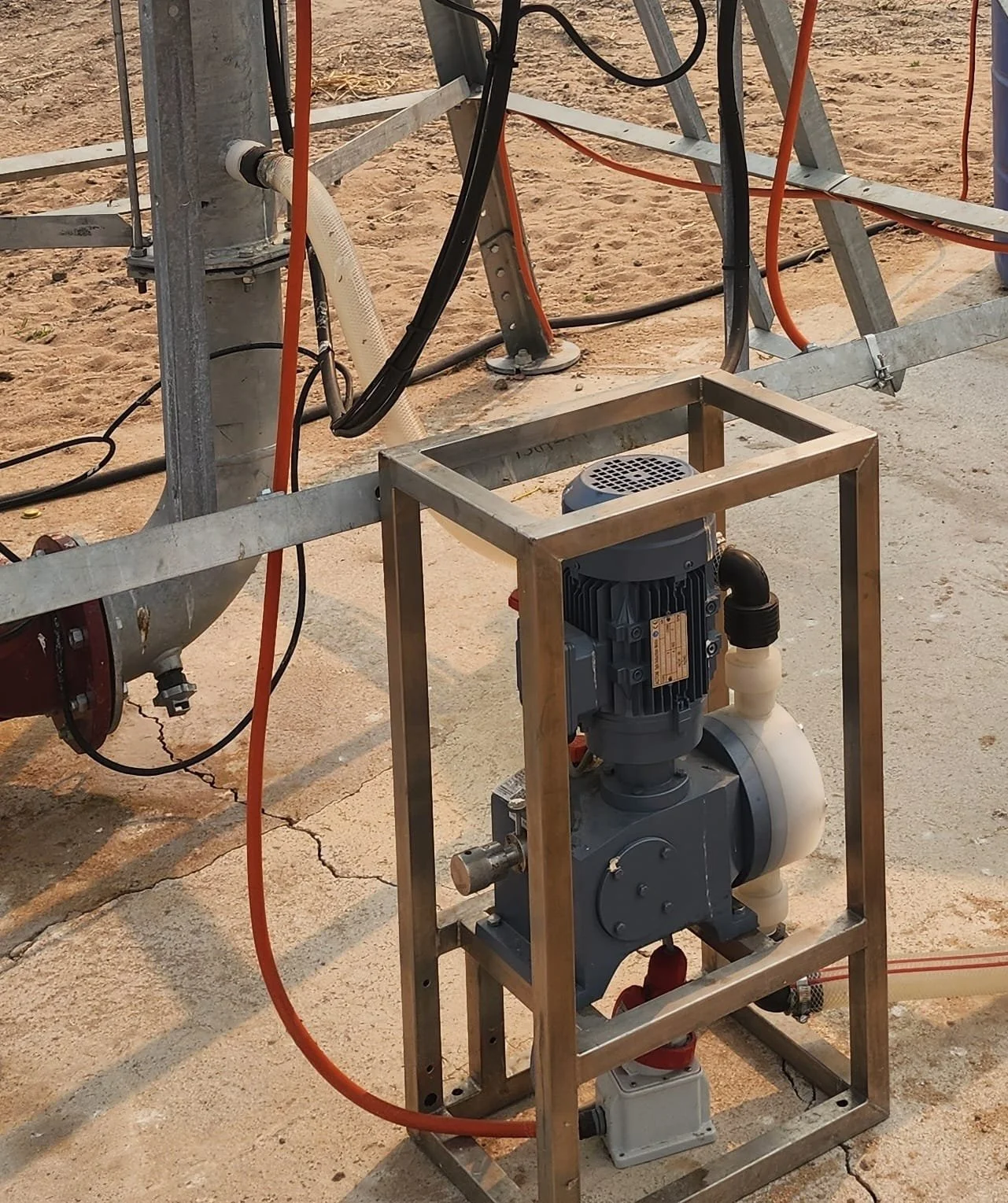
Sugarcane: High Yield Demands Precision Nutrition
Sugarcane is among the world’s most nutrient-demanding crops.
To produce a 100-tonne per hectare crop, sugarcane typically removes:
180-250 kg Nitrogen
50-100 kg Phosphorus
250-350 kg Potassium
Significant quantities of Calcium, Magnesium and Sulphur
Traditional fertilizer programs often apply large amounts early in the season.
The problem?
Heavy rainfall or excessive irrigation can move nutrients beyond the active root zone long before peak crop demand.
What Fertigation Changes
Instead of three or four large fertilizer applications, growers can make 20-50 smaller nutrient applications during active growth.
Field studies have demonstrated:
Sugarcane Fertigation Results
Yield increases of 10-25 tonnes/ha
Sucrose increases of 0.5-2.0 percentage points
Nitrogen savings of 20-40%
Water savings of 15-35%
For a 500-hectare sugarcane operation, a modest 10 t/ha increase represents:
5,000 additional tonnes of cane annually
Without acquiring a single additional hectare.
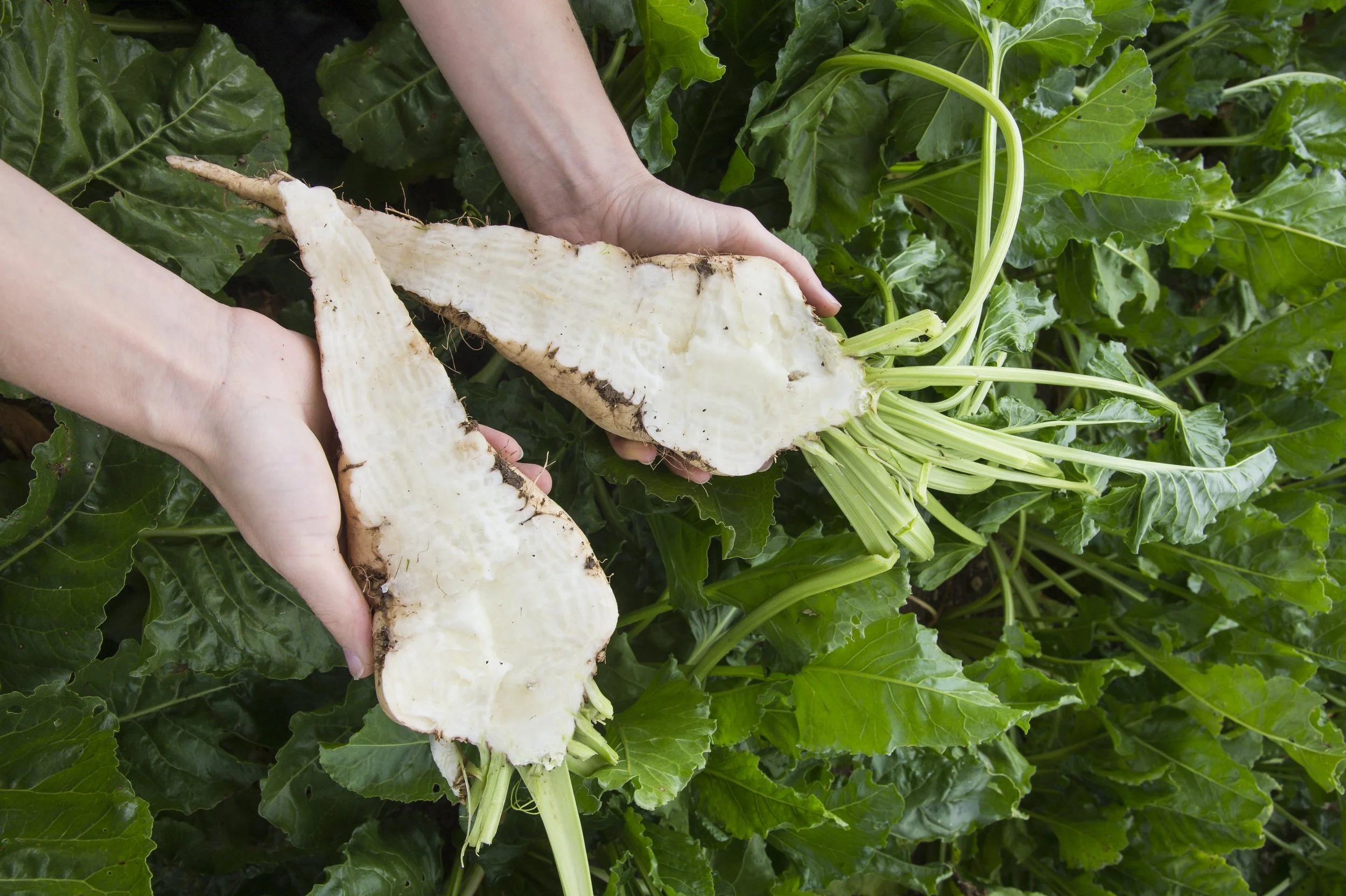
Sugarbeet: Maximizing Sugar Content
Sugarbeet profitability depends on two critical metrics:
Root yield
Sugar concentration
High nitrogen applications late in the season often increase root mass while reducing sugar concentration.
This is where fertigation becomes particularly valuable.
Precision Nitrogen Timing
By controlling nutrient delivery weekly or even daily, growers can:
Support early canopy development
Maximize photosynthesis
Reduce excess late-season nitrogen
Improve sugar accumulation
Research trials across Europe and North America have shown:
Sugarbeet Fertigation Results
Yield improvements of 8-20%
Sugar content increases of 1-3 percentage points
Nitrogen reductions of 20-30%
Water savings of 15-25%
A seemingly small increase from 16% to 18% sugar content can significantly increase grower payments and factory efficiency.
The Economics: Where the Real Opportunity Exists
Many growers focus on fertilizer savings.
The bigger opportunity is usually increased sugar production.
Consider a sugarcane example:
Conventional Program
Yield: 100 t/ha
Sugar Recovery: 12%
Sugar Produced: 12 t/ha
Fertigation Program
Yield: 115 t/ha
Sugar Recovery: 13%
Sugar Produced: 14.95 t/ha
Result
24.6% more sugar produced per hectare
This improvement often outweighs all fertilizer savings combined.
Water: The New Limiting Factor
The future of sugar production will be determined as much by water management as by genetics.
Traditional flood irrigation systems often operate at:
40-60% efficiency
Modern drip fertigation systems can exceed:
90% application efficiency
The implications are substantial.
For every 1,000 hectares:
Millions of litres of water can be saved annually
Reduced pumping costs
Lower energy consumption
Improved sustainability metrics
Better drought resilience
The Critical Role of Dosing Accuracy
Not all fertigation systems perform equally.
Inaccurate dosing can result in:
Nutrient deficiencies
Nutrient toxicities
Reduced sugar content
Uneven crop growth
Wasted fertilizer
Modern proportional dosing systems provide:
Precise nutrient delivery
Real-time adjustment capability
Consistent application rates
Compatibility with multiple fertilizer sources
Improved operational control
For large-scale sugar operations, dosing accuracy can be the difference between achieving projected returns and leaving significant profits in the field.
Key Takeaways
Sugarcane
✓ 10-25 t/ha yield increases are commonly reported
✓ 20-40% nitrogen savings achievable
✓ Improved sucrose concentration
✓ Better drought resilience
Sugarbeet
✓ 8-20% yield improvement potential
✓ Higher sugar concentration
✓ Improved nutrient use efficiency
✓ Reduced late-season nitrogen risk
Fertigation Overall
✓ 20-40% water savings
✓ 15-35% fertilizer savings
✓ Higher nutrient uptake
✓ Increased profitability per hectare
✓ Improved sustainability
The Future of Sugar Production
As fertilizer costs rise, water availability declines, and sustainability requirements become more demanding, fertigation is moving from a competitive advantage to a production necessity.
The question is no longer whether fertigation works.
The question is how much yield, sugar and profit remain unrealized without it.
For sugarbeet and sugarcane producers, the data increasingly points in one direction:
More precise water management plus more precise nutrient management equals more sugar per hectare.